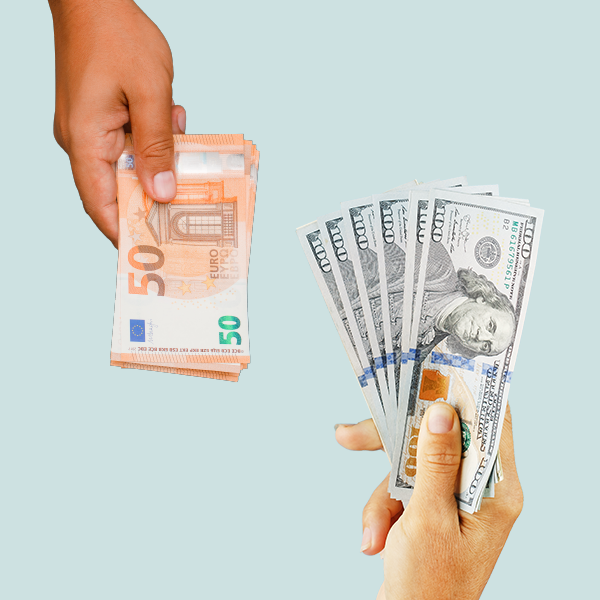

Current Exchange Rates: 10 Top Tips
Understanding the current exchange rate is essential for financial planning in today's world economy. Exchange rates can impact costs, pricing, and investments in an enormous way. The fluctuation of exchange rates can influence the budget for travel, alter the value of transactions in business, and even alter the value of your portfolio of investments. For a better understanding of how to navigate this complexity there are ten essential strategies for managing exchange rates.
1. Real-time exchange rates to keep you up-to-date
Monitor rate of exchange in real-time to make informed exchange decisions. You can find rates by using software for currency conversion and websites that offer reliable financial information. Websites like XE.com provide accurate information for travelers, and can also aid businesses in setting competitive pricing. Knowing the current exchange rate for euros, for instance, will assist you in planning your trip and manage costs.
2. Know the Difference between Bid and Ask
The bid-ask margin represents the difference between the amount that you are able to pay to buy currency (ask rate) and what you could make to sell it (bid rate). The spread is different for banks and exchange services. A narrower spread means that you'll have a better exchange rate. For instance, if a bank offers an offer price of 1.10 and an offer price of 1.15 for USD to EUR, the spread is 0.05. Be aware of this distinction can help you make better choices about when and where to exchange your money.
3. Utilize Online Currency Conversion Tools
Apps for currency conversion and online tools are extremely helpful in controlling fluctuations in exchange rates. Wise and Revolut for instance, not only offer live currency rates, but also let you to exchange currencies at low rates. They also offer features such as rate alerts or historical data which help you identify trends. For instance, you could create an alert every time you check the USD to JPY rate so that you're informed of favorable rates.
4. Review the currency risk to Business and Investments
Risks associated with currency or exchange rates can have a significant impact on the profit of international firms and the return from investments. The fluctuation of exchange rates can affect the value of contracts, investments and sales. You should consider hedging strategies to minimize the chance of this happening. They involve the use of financial instruments to secure the future rates of exchange. A company that imports goods to Europe might use a future contract to lock-in the current exchange rate and safeguard its margins of profit.
5. Ask about Fees and Charges.
Different banks and currency exchange providers charge different charges for exchange of currency. This could include transaction costs as well as service fees and commissions that can affect your earnings or add to your travel costs. Be sure to inquire about the fees before proceeding with any currency exchange. Tourists should think about using credit cards that don't charge foreign transaction fees and international ATM cards that provide competitive exchange rates. Comparing the fees and exchange rates of different providers can help you find the best bargain.
6. Timing Your Currency Exchange
The time you exchange currency could influence the amount you receive. Currency values fluctuate based on economic news, geopolitical events as well as market sentiment. By monitoring these factors you can determine the best time to exchange currencies. In the event that an economy is set to announce good economic developments and its currency will strengthen. This would make it important to be patient before you convert. Investors and travelers can make better financial choices by analyzing market trends and staying informed about world events.
7. Diversify your currency portfolio
Diversifying your currency portfolio will protect you from currency fluctuations. Holding multiple currencies can provide an insurance policy to safeguard you from any adverse fluctuations in currency. This strategy is especially beneficial for companies that operate in multiple international markets, allowing greater flexibility in pricing and payments. A U.S. investor, for instance, could decide to invest in euros or British pounds so that he is able to benefit from the appreciation of currency. Diversification can help lower currency volatility risks.
8. Choose Local Currency when you travel
Always pay in local currency when you travel across the world. When paying with your own currency, you may be charged additional fees or get exchange rates that are not favorable. This can result in increased cost. Utilizing local currency is an effective way to secure more favorable exchange rates when using ATMs. These ATMs provide rates that are competitive than counters for currency exchange. Before you travel, do some research on the currency of your destination and be familiar with standard exchange rates to avoid paying too much during your travels. This will help you improve your financial management.
9. Research Economic Indicators
Indicators of economic growth, such as interest rates, inflation rates, GDP and other indicators are a good way to determine currency movements. For example, a country experiencing high inflation may see its currency weaken in comparison to other countries. Knowing these indicators can assist investors and businesses to make informed decisions about currency exchanges and investment. Being aware of economic forecasts and trends will aid you in navigating the foreign currency market more effectively. Economic calendars and reports could serve as valuable resources for tracking these.
10. Contact a professional in finance to handle large transactions
If you need to conduct significant transactions or manage large sums, consulting an expert in currency or a financial expert is a good option. They provide individualized advice that is based on your specific situation and are able to guide you through the complicated foreign exchange market. This is of particular importance to businesses that are involved in international trade or investors looking to maximize their exposure to currency and decrease risk. A consultation with a professional will allow you to make more informed decisions, and could save you cash in the end.
If you take note of these tips, you can effectively navigate the complexities of current exchange rates, whether you're making plans for a trip, managing your business, or evaluating your investments. Becoming informed and taking an organized approach to conversions of currencies, could yield better financial results and also a better experience when engaging with foreign partners. Knowing the intricacies of exchange rates can help you to make better financial decisions that are in line with your goals for business or personal. See the most popular description about currency exchange for website examples including rmb to usd, british pound to dollar, us dollar to php, usd to mxn, 1 usd in rupees, usd to rmb, us dollar to rmb, usd to rs, pound sterling to usd, usd to cad and more.
The Top 10 Ways To Pay With Foreign Currency
Whether you are conducting business, traveling abroad or managing investments, the selection of payment method is crucial for ensuring that financial transactions are managed effectively in today's globalized world. The payment method that you choose will impact your the cost, security and ease of use. Payment options vary in regards to fees as well as acceptance levels and exchange rates. These factors can impact your financial status and your overall experience. Knowing the intricacies behind various payment methods will help you make well-informed decisions that align with your financial objectives. These are the ten most crucial tips for selecting the right payment method for your financial objectives.
1. What are the most popular payment methods?
Be aware of all options for payment. This includes credit/debit, cash, mobile, as well as digital wallets. Each has advantages and disadvantages regarding ease of use, costs, and acceptance. Cash, for example, is generally accepted however it can be a hassle and less secure when used to purchase large amounts of goods. Knowing the advantages and disadvantages of each method will allow you to choose the best option to suit your needs.
2. Converting currencies can be costly.
– Be aware of possible costs for conversion of currency when using your debit or credit card to purchase international goods. Banks and credit card providers can charge different fees. Certain cards have an international transaction fee while others charge a fee for international transactions. When you plan to go to a destination or make a purchase overseas inquire with your bank about the currency conversion fee policies. Choose one that reduces these charges.
3. Use credit cards with no foreign transaction charges
Pick credit cards that don't charge foreign transaction fees if you are going to be traveling internationally or buying items using foreign currencies. A majority of credit cards that are geared towards travel offer this feature, allowing you to use your card in foreign countries without incurring any additional charges. This could result in significant savings, especially for frequent travelers or those making substantial purchases in markets outside of the country.
4. Take advantage of mobile payment choices
Mobile payment options like Apple Pay or Google Pay provide a convenient alternative to carrying cash or cards. These options are usually enhanced with security features such as tokenization and biometric authentication that make them a good option for both in-person and online transactions. If you are looking to cut down on your expenditure, think about using mobile payment options, especially for small purchases.
5. Be aware of ATM fees when you withdraw cash
If you are traveling and you need to withdraw cash from an ATM, be aware that the fees can vary. Some banks charge charges for international withdrawals while others may partner with local banks and offer free withdrawals. If you are required to withdraw money from an ATM abroad, it is worth looking into ATM network that offer lesser charges. Consider withdrawing larger sums at once to minimize charges and transactions.
6. Alternative Payment Methods for Plan
The backup option is crucial to avoid disruptions in case your primary method fails or is lost. To ensure you are able to still buy items, keep an additional debit card, credit card, cash, or mobile payment alternatives. This is particularly important when traveling as some locations may not accept all payment options. If you plan ahead, you will be able to navigate unexpected situations more smoothly.
7. Keep track of exchange rates and make Better decisions
– When making purchases in foreign currencies be aware of exchange rates in order to make educated decisions about when to convert your cash or make use of your payment methods. Making use of apps and tools which track exchange rates in real time can help you identify favorable conditions for currency conversion. This information will assist you to decide on your payment method.
8. Be aware of security features
When you are choosing a payment method, the safety of transactions must be top of mind. Check out the security options offered by your credit card, bank service provider, or platform for payment. Find fraud protection options, transaction alerts and encryption technology. You will be protected from fraudulent transactions and fraud by using safe payment methods.
Review Payment Policies for Business
If you're an owner of a business, knowing the payment policy is essential to managing the flow of cash and transactions with customers. Examine the costs, features and acceptance rates of different payment processors. Select a payment method that meets your company's needs. The ability to reduce transaction costs is important, but so is speedy processing time or convenience for customers. A well-chosen payment method can improve customer satisfaction and simplify your business processes.
10. Learn more about ways to pay for investment
Investors should be aware of various payment options that are available when buying or selling assets. Different brokerage platforms provide various payment options for funding an account or making trades. You should familiarize yourself with charges and processing delays that are associated with different payment methods. Be aware of the effect of margin accounts and leveraging investment on your financial strategy.
These tips will assist you navigate the maze of travel, business and investment. Knowing the payment method including fees, security, and other aspects can help you make better financial decisions. A good payment method will make your life easier, help you save money and give peace of assurance when it comes to your financial situation. View the best this post for euro for website recommendations including aud to usd, eur to usd, dollor to inr, usd to peso, pound sterling to usd, colombian peso to usd, us dollar to php, dollar to php, us to baht, pound to usd and more.